

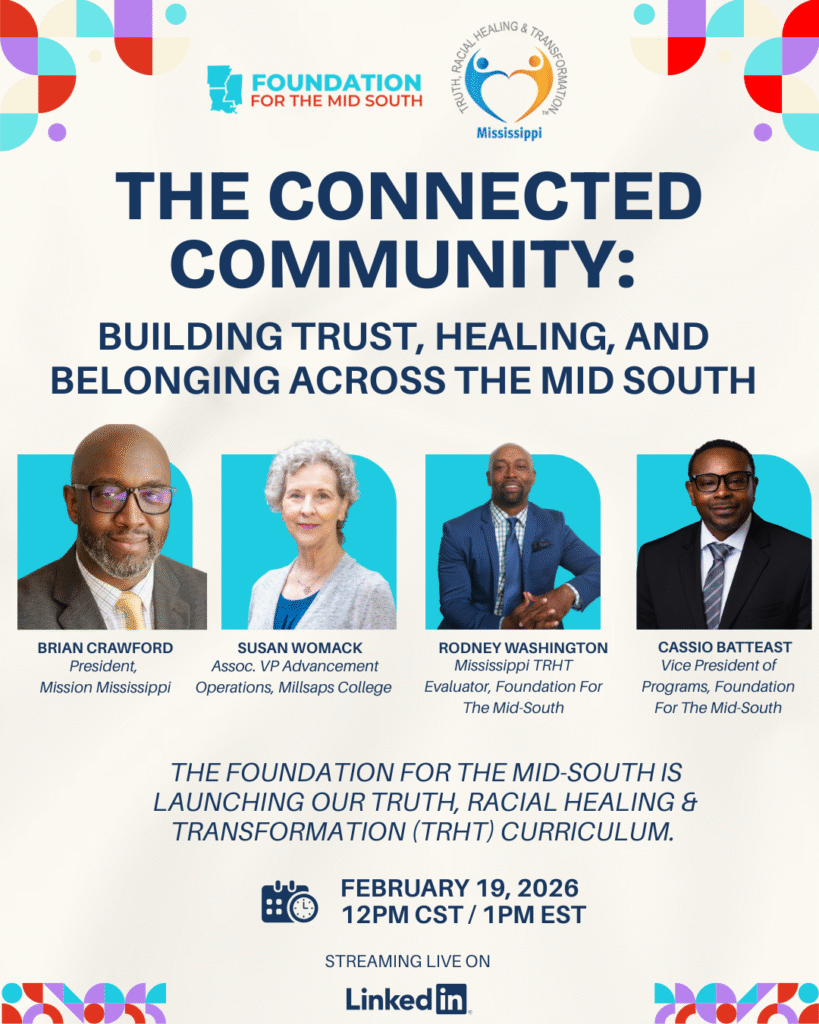
In Mississippi, conversations about racial healing often begin with urgency.
But sustainable change begins with a harder question.
What does progress actually look like?
Not in theory. Not in headlines. Not in momentary momentum.
For leaders engaged in Truth, Racial Healing, and Transformation work across the state, progress is neither abstract nor sentimental. It is measurable. It is relational. It is structural. And it is patient.
“This work is not a project. This is a systems change model,” said Dr. Rodney Washington, evaluator of Mississippi’s TRHT initiative. “And systems don’t change overnight.”
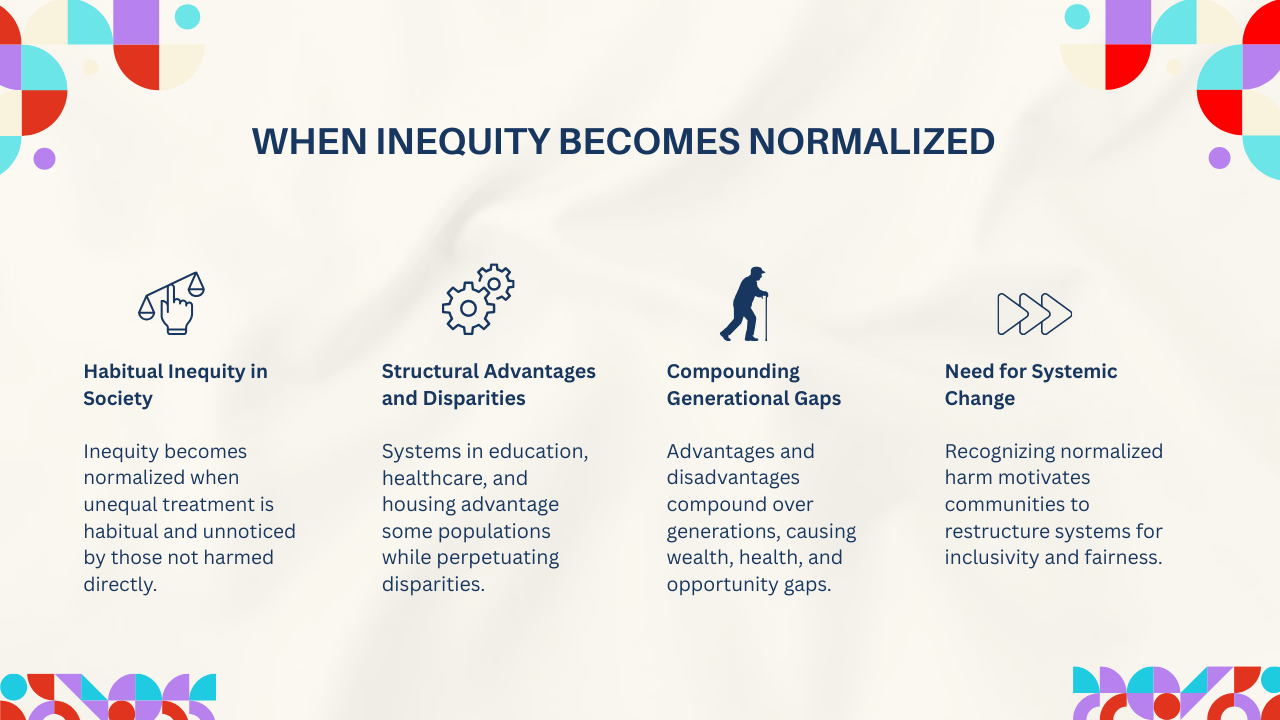
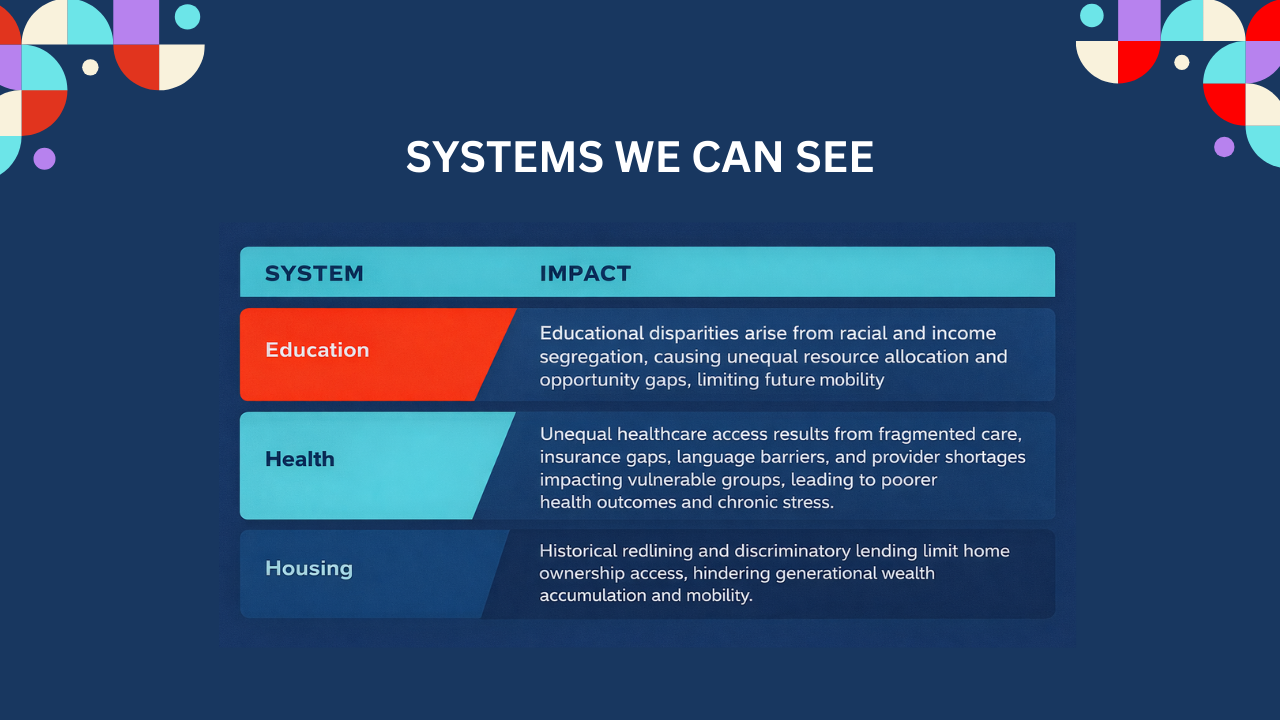
That distinction matters. Because if the work is about systems, then progress must be measured at the level of systems.
Beyond Inspiration Toward Evidence
Washington has spent years evaluating programs across sectors. He understands the difference between activity and impact. Community meetings, training sessions, and public forums are important, but they are not the end goal. The goal is sustained change that can be observed, documented, and repeated.
“I would love for us to have measurable outcomes that we can all see,” he said. “In three to five years, we’re not where we started. It’s an iterative process.”
Iteration implies discipline. It implies that leaders will test approaches, examine results, adjust strategies, and try again. It reflects a long-term investment in improvement rather than a short-term declaration of success.
Washington was equally clear about managing expectations.
“This framework, while it’s great and amazing, is not going to be the magic wand. It’s a guide for us to follow that can help us prompt systems-level change.”
That posture reflects maturity. Mississippi does not need a magic wand. It needs durable progress that withstands leadership transitions, political cycles, and funding shifts.
For funders, community partners, and residents alike, the real benchmarks are not symbolic moments. They are structural shifts.
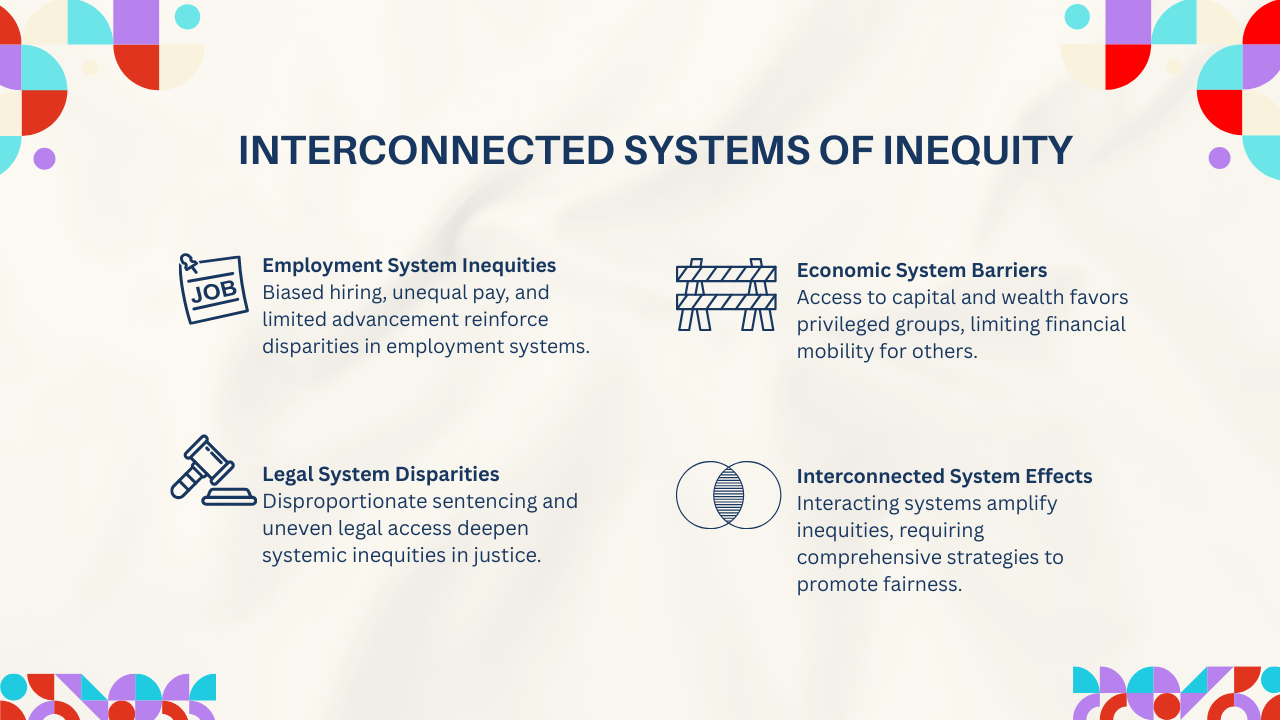
Are barriers to opportunity shrinking?
Are local leaders trained and replicating the work?
Are institutions aligning their practices with shared community vision?
Are partnerships crossing lines that once felt fixed?
Progress is not defined by volume. It is defined by movement.
Integration Is Not the Finish Line
For Brian Crawford, president of Mission Mississippi, one of the clearest markers of progress is the willingness to go deeper than optics.
“One of the biggest misconceptions is that the sharing of space is the arrival,” Crawford said. “Instead of the beginning.”
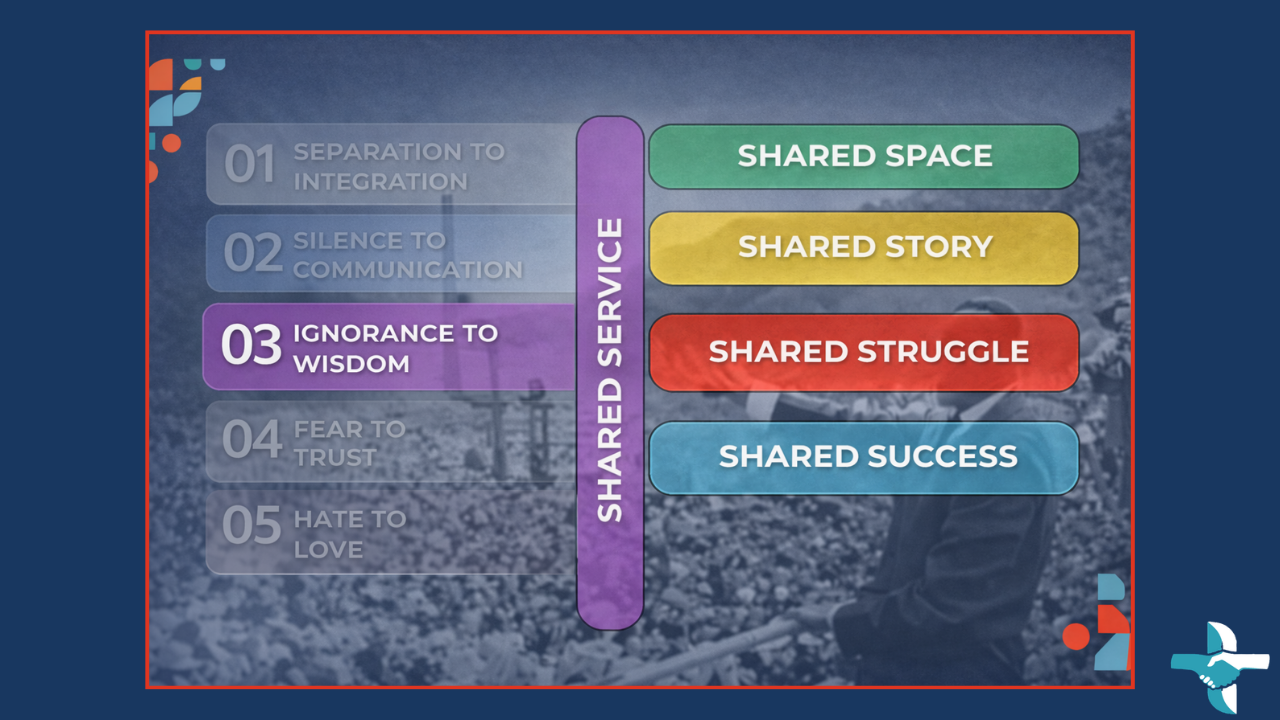
Communities may occupy the same schools, workplaces, and neighborhoods. But proximity alone does not equal transformation. Shared space can coexist with silence, misunderstanding, and quiet resentment.
“We can share space and still remain ignorant of one another,” Crawford explained. “There still remains the necessity to share our stories. And it’s in those shared stories that we begin to really see progress.”
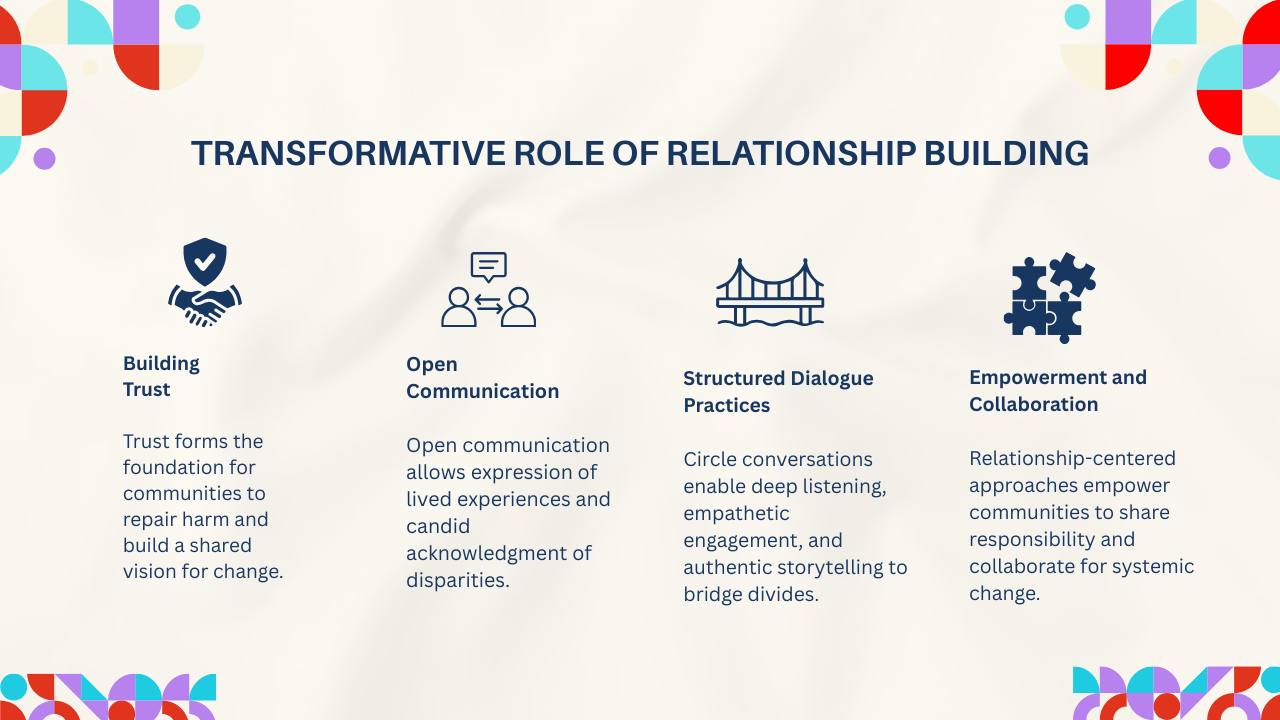
Crawford’s emphasis on storytelling is not sentimental. It is strategic. Research consistently shows that structured dialogue, when facilitated under the right conditions, reduces distrust and builds cooperation. That trust then becomes the foundation for coordinated action.
If Mississippi is to move forward, he believes the work must extend beyond integration into genuine understanding. In five years, Crawford hopes to see something tangible and decentralized.
“I think we’ll see a broader network of coaches, not just condensed at a central level, but at local levels,” he said. “That’s when collaboration increases. That’s when cooperation increases.”
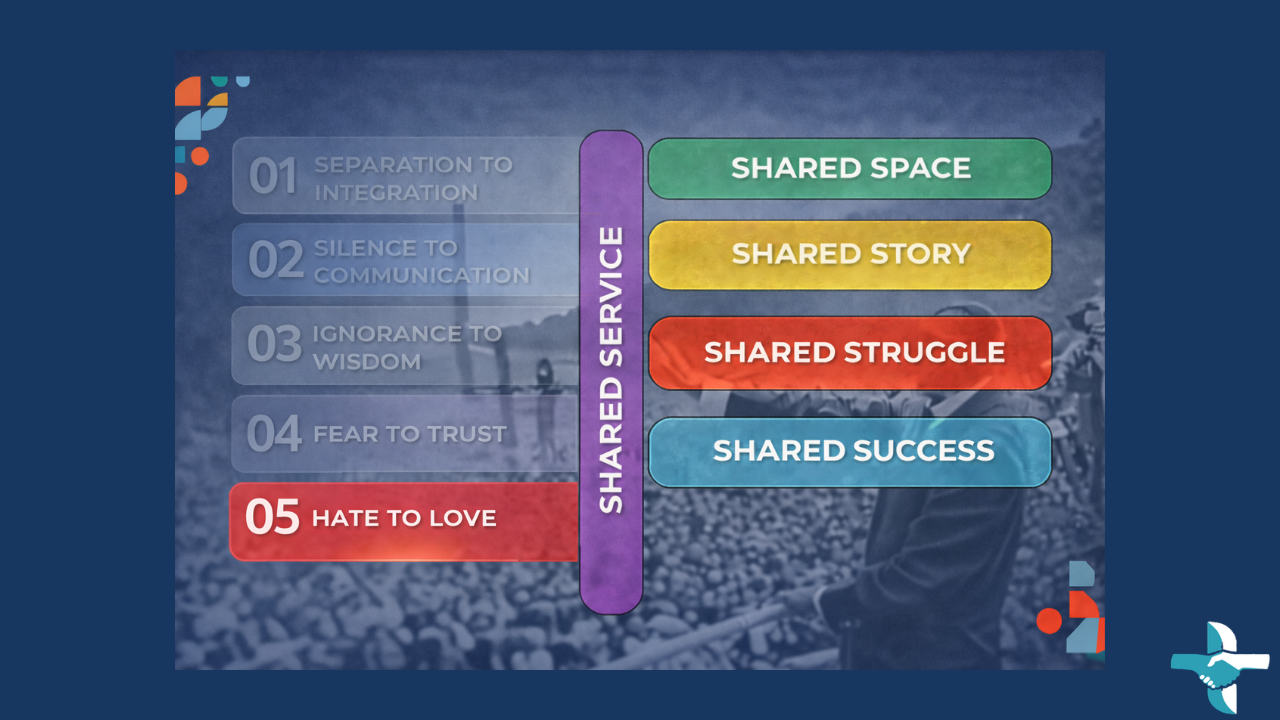
Coaching, in this context, is not a buzzword. It is infrastructure. It is local leaders equipped to facilitate hard conversations, navigate difference, and anchor healing in their own communities. When that capacity spreads, progress becomes less fragile.
For Crawford, progress looks like collaboration becoming normal. It looks like people recognizing that their destinies are intertwined. It looks like restorative efforts built by many hands rather than delivered by a few.
The Discipline of Patience
Susan Womack, Vice President for Advancement Operations at Millsaps College, approaches progress with both urgency and restraint.
“It’s really common for leaders to feel caught between the very real harm people are experiencing right now and wanting to fix that immediately,” she said. “But the systems weren’t built overnight, so they won’t be changed quickly.”
Her framing introduces an important tension. Leaders must reduce harm where they can while also committing to longer-term transformation. That requires layered benchmarks.
Short-term progress might mean removing a specific barrier, launching a pilot program, or adjusting an institutional practice. Medium-term change may involve shifts in hiring, access, policy alignment, or resource distribution. Long-term transformation requires something more profound. It requires cultural and normative change that reshapes how communities define fairness, belonging, and opportunity.
“Incremental progress is really important,” Womack said. “We will hit some tough roadblocks. We will have to regroup. But resilience is critical.”
Resilience, in this context, is not passive endurance. It is strategic persistence. It is the willingness to continue building trust even when results feel slow. It is the understanding that systems resist disruption and that lasting reform requires steady pressure.
In her view, progress in five years will not look identical in every community. It will look locally defined and collectively supported. Communities will design their own solutions under a shared framework.
“A lot of community success can build momentum for bigger things,” she noted.
That momentum, when connected across regions, becomes statewide strength.
It Starts With People
While much of the conversation centered on systems, Cassio Batteast brought the focus back to leadership.
“Transformation doesn’t start with policy,” he said. “It starts with people.”
Policy shifts matter. Funding streams matter. Institutional reforms matter. But without leaders willing to engage honestly, listen deeply, and confront uncomfortable realities, the work cannot sustain itself.
The TRHT cohort model reflects that belief. It brings together faith leaders, college students, grassroots organizers, and institutional partners to build relational capacity alongside strategic skill. It emphasizes train-the-trainer design so that knowledge does not remain centralized.
If those leaders carry the work forward, training others and embedding practices in daily operations, replication becomes another benchmark of progress.
Is the work centralized or distributed?
Is it personality-driven or system-embedded?
Is it episodic or sustained?
These are the questions that define credibility.
Five Years From Now
When asked to summarize their hopes for Mississippi in one or two words, the leaders responded with clarity and intention.
Dr. Rodney Washington said, “Intentional optimism.”
Brian Crawford offered a different posture. “Discontent,” he said, clarifying that he meant discontent with the status quo.
Susan Womack closed with “Unified transformation.”
Taken together, those words sketch a vision that is both hopeful and demanding.
Intentional optimism insists that change is possible, but not automatic.
Discontent refuses complacency.
Unified transformation rejects fragmentation.
If progress is real, Mississippi communities will be able to point to more than conversations. They will point to stronger partnerships, improved access, measurable shifts, and leaders who know how to navigate difference with skill and humility.
They will see institutions adjusting practices. They will see collaboration where there was once isolation. They will see evidence that shared humanity is shaping shared systems.
They will say, with evidence rather than aspiration, that they are not where they started.
And in systems work, that movement is not minor.
It is monumental.
Watch the full webinar replay here and continue the conversation.