

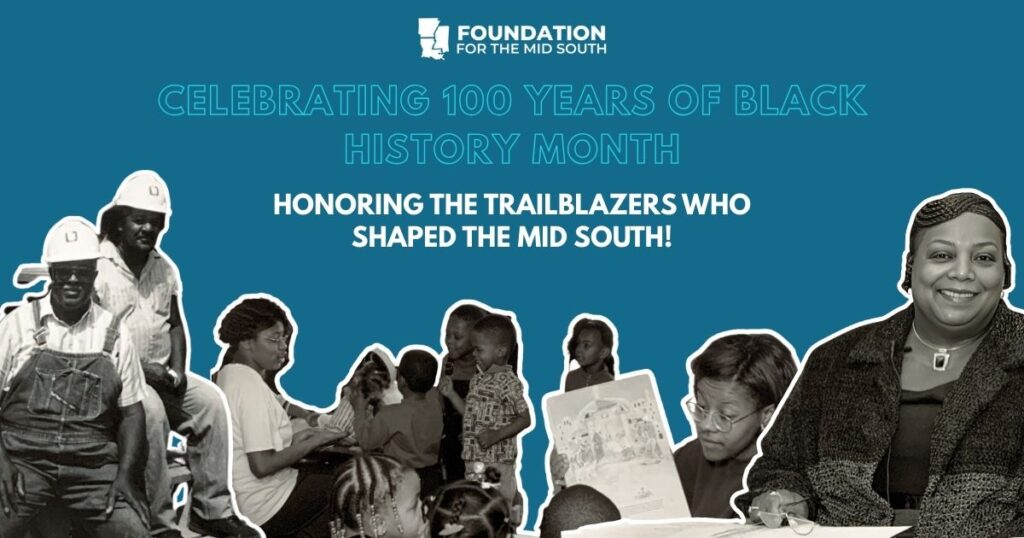
Before there were strategic plans and grant cycles, there were people who simply refused to accept the way things were.
In the Mississippi Delta, a woman built a school when access to education was rationed. In Jackson, a doctor turned an abandoned mall into a center for community health. Across the region, leaders quietly, and sometimes loudly, reshaped systems that were never designed with them in mind.
They were not waiting for recognition.
They were laying groundwork.
As Black History Month reaches its centennial, the Mid South does not lack for heroes. What it requires now is continuity.
And that is where institutions enter the story.
Trailblazers Who Changed the Landscape
Arenia Mallory understood something simple and profound: if children could not access opportunity, someone had to build it.
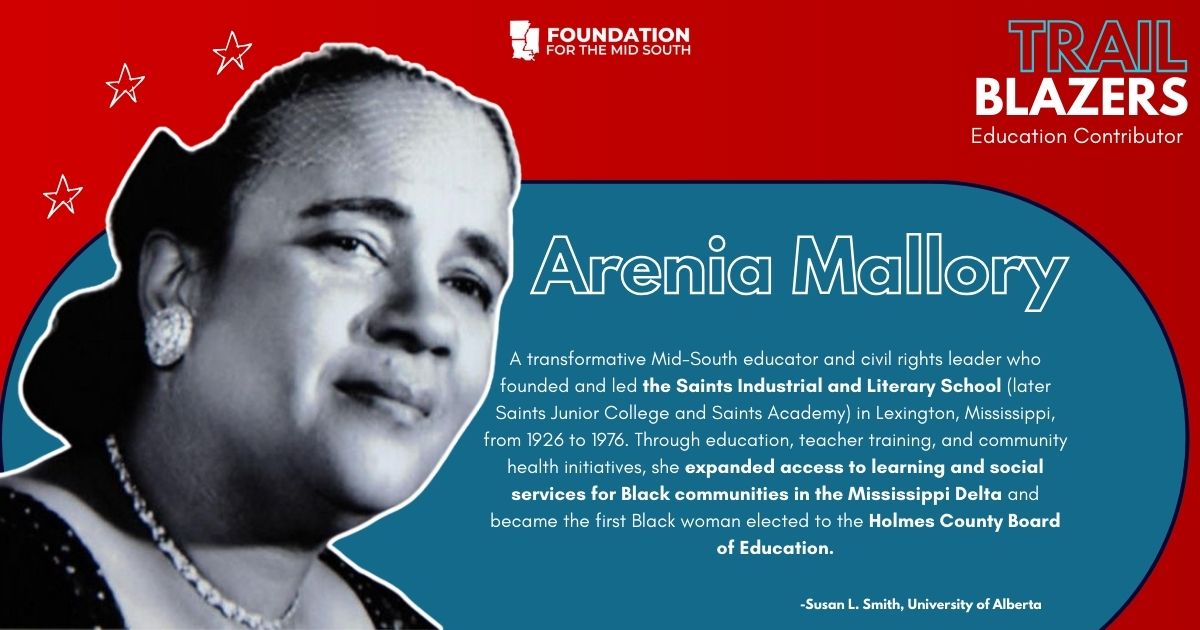
For five decades, she led the Saints Industrial and Literary School in Lexington, Mississippi, expanding education and community services in the Delta during an era when such access was deliberately constrained. Later, she became the first Black woman elected to the Holmes County Board of Education.
Mallory did not just educate students. She altered the terrain.
Dr. Aaron Shirley did much the same in healthcare. As Mississippi’s first African American pediatric resident, he went on to co-found the Jackson-Hinds Comprehensive Health Center and later developed the Jackson Medical Mall, a nationally recognized model for accessible, community-centered care.
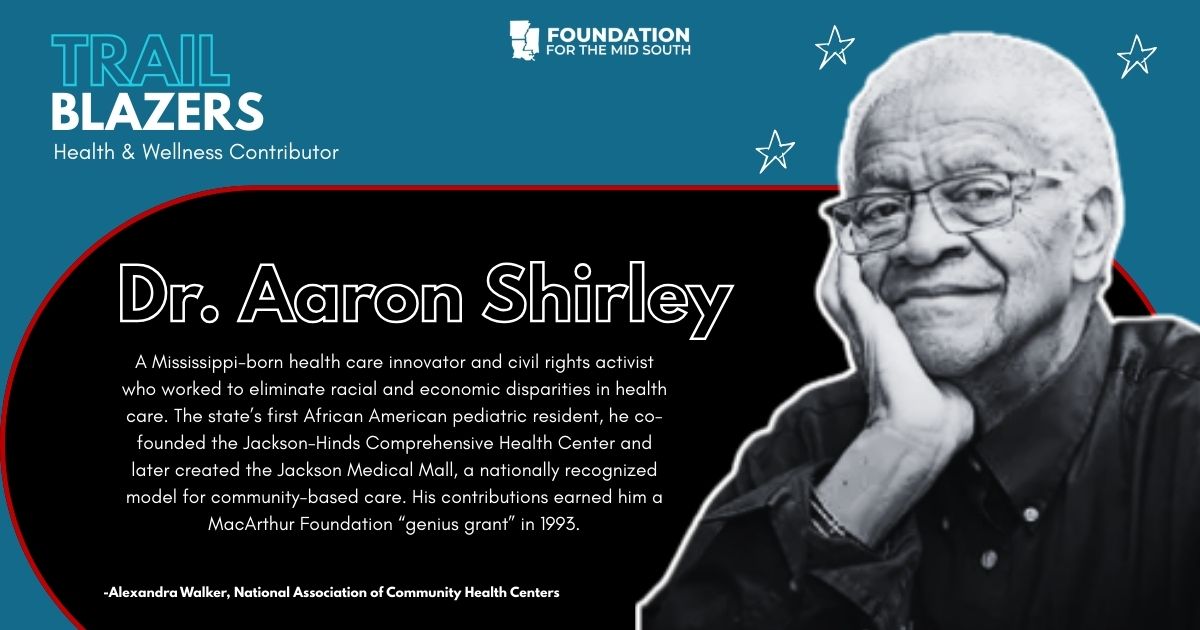
He saw healthcare disparities not as unfortunate statistics but as solvable structural problems.
And in philanthropy, Dr. Ivye L. Allen brought that same systems mindset to the Foundation for the Mid South. As former President and CEO, she strengthened the organization’s commitment to economic mobility and racial equity, pushing philanthropy beyond good intentions and toward measurable, structural change.
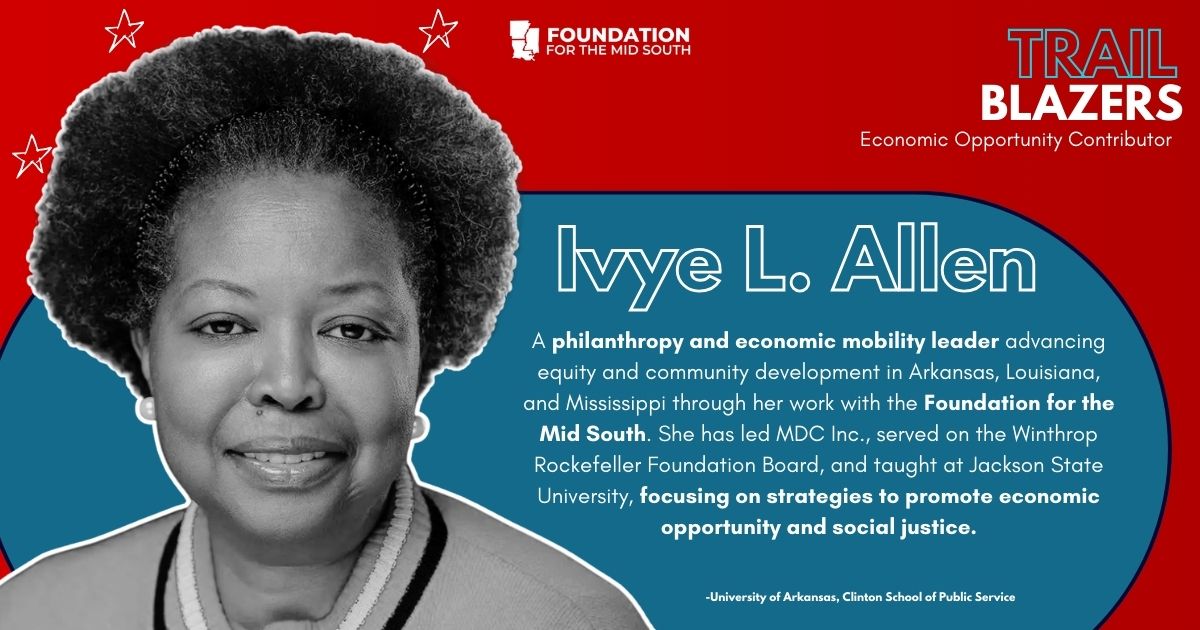
These leaders were not simply reacting to injustice. They were redesigning systems.
The Institutional Responsibility
The Foundation for the Mid South was established in 1990 to confront persistent poverty and inequity across Arkansas, Louisiana, and Mississippi. From the beginning, the organization recognized that the region’s challenges were deeply rooted—shaped by history, policy, and uneven investment.
And so its response had to be equally rooted.
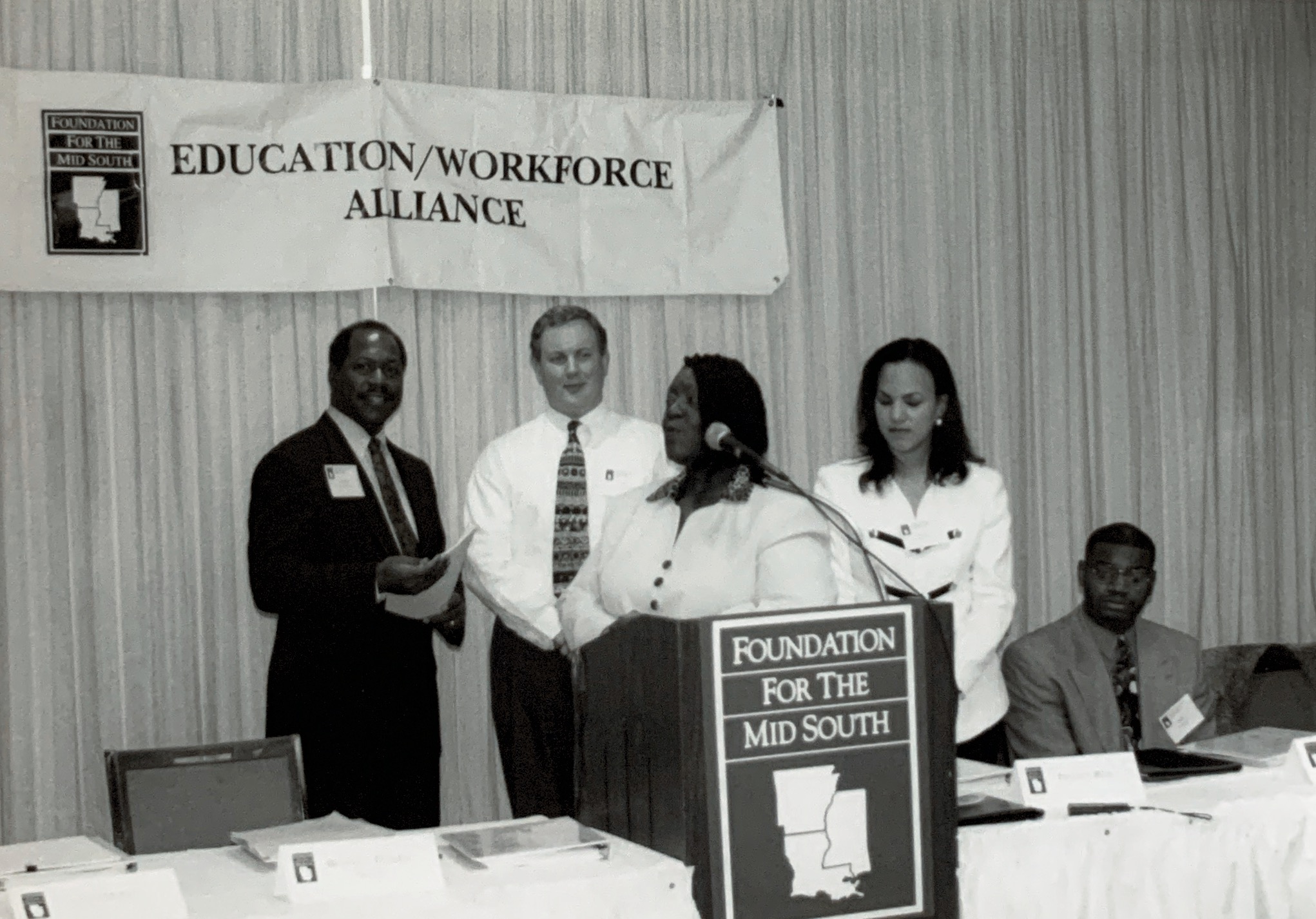
Over 35 years, the Foundation has invested in economic revitalization, workforce development, and cross-sector partnerships that strengthen communities from the ground up. It has supported infrastructure that connects residents to opportunity and resources that help organizations build long-term capacity.
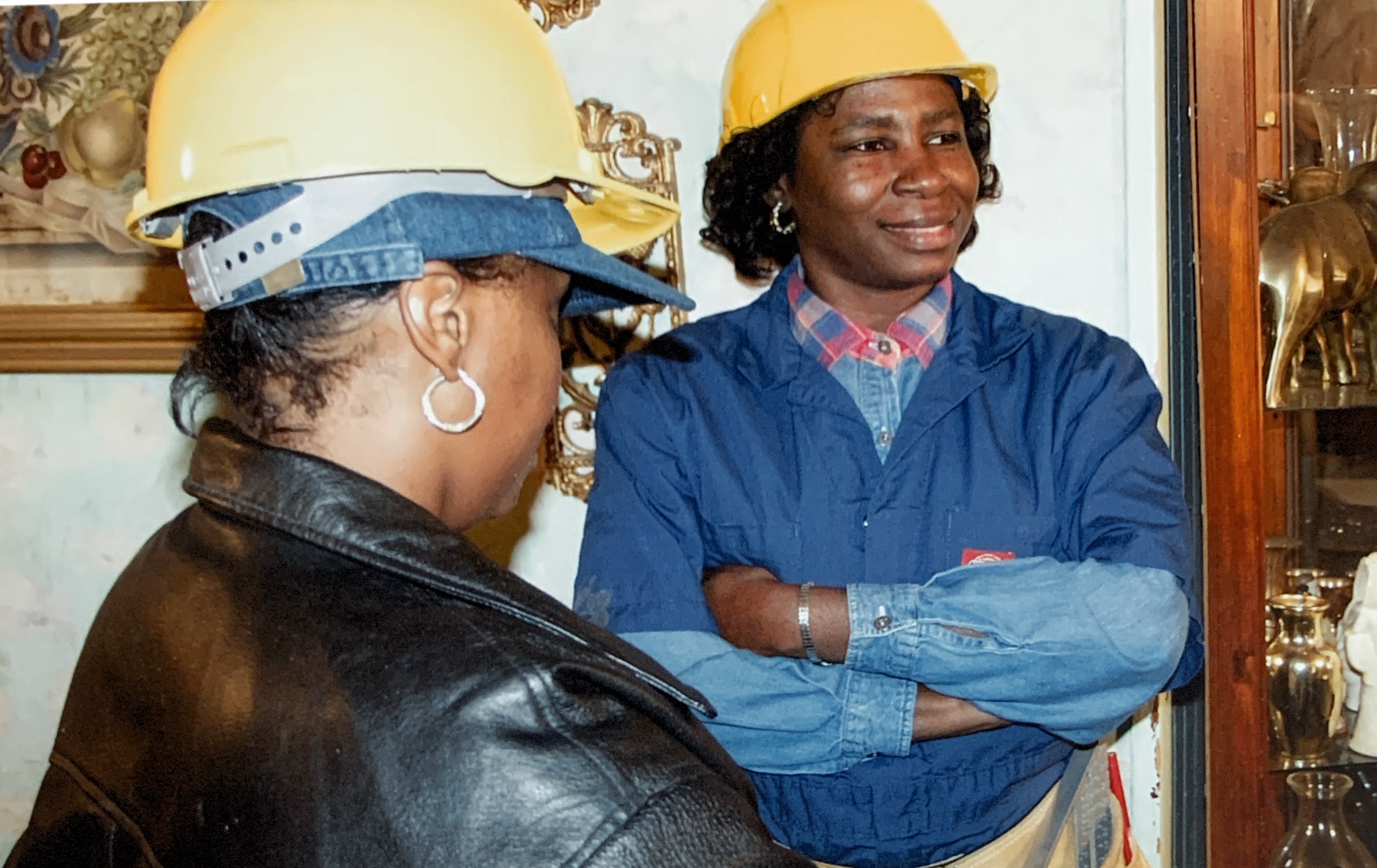
When crises disrupted communities, the Foundation helped channel support where it was most needed. When structural barriers limited access to employment and justice, it partnered on solutions that addressed the root causes.
More recently, through Truth, Racial Healing, and Transformation initiatives in Mississippi, the Foundation has convened communities to confront difficult histories and build toward shared futures.
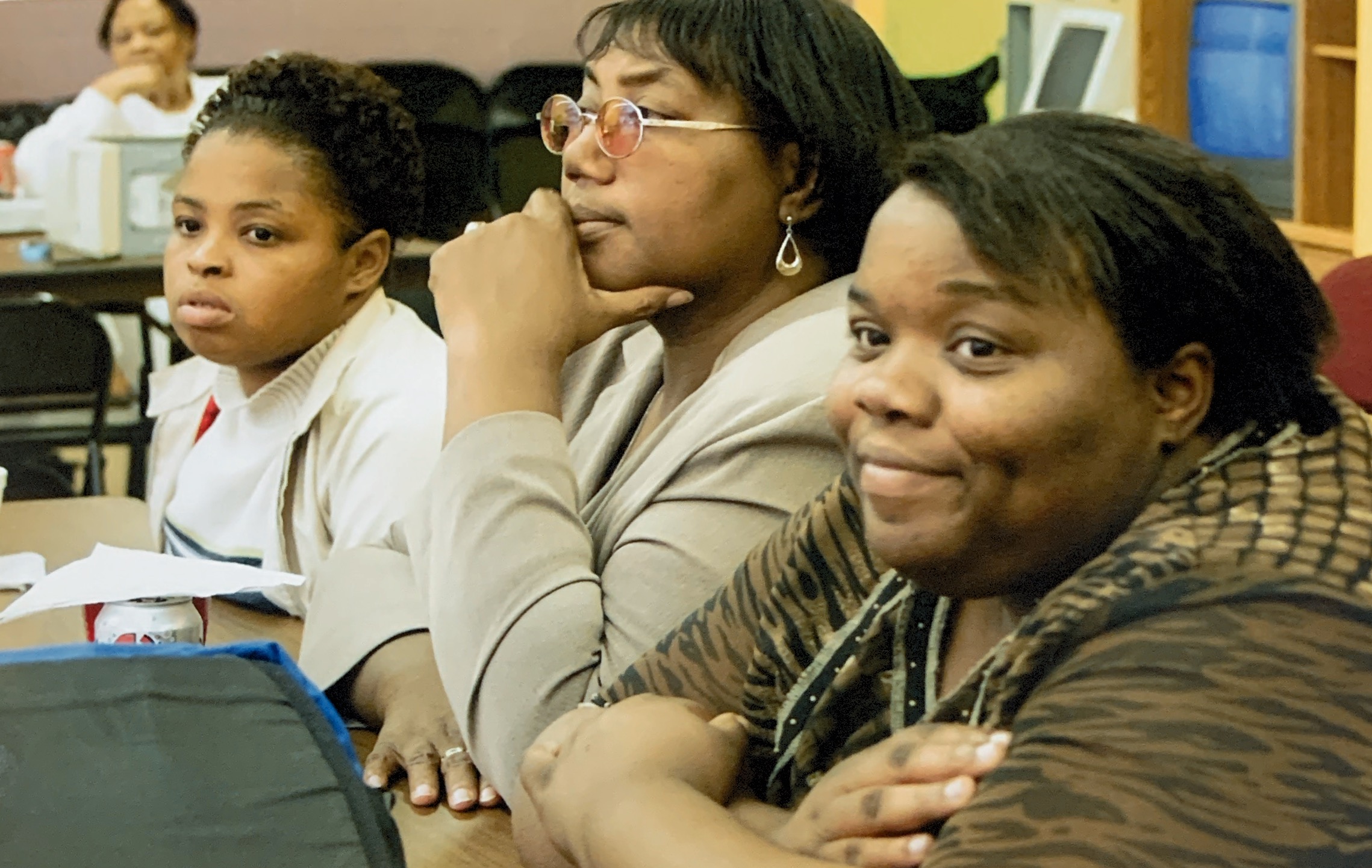
This work does not happen overnight. It happens steadily. Intentionally.
It is the kind of work that rarely trends online but quietly reshapes outcomes over time.
A Centennial That Demands More
One hundred years of Black History Month is not just a celebration. It is a checkpoint.
It asks whether institutions are simply remembering the past or actively building the future.
The Mid South carries a complicated legacy. Yet it also carries extraordinary leadership capacity. The question is not whether the region can change. History proves it can.
The question is whether we will continue the work with the same grit as those who came before.
Under current leadership, the Foundation for the Mid South is strengthening its regional partnerships and refining its strategic direction to ensure that equity remains central to its mission. The focus is not on short-term recognition but on sustained impact — on building systems that endure.
Because history is not something that happens behind us. It is something we shape.
Still Building
Black history in the Mid South is not sealed in the past. It lives in classrooms where students prepare for careers once out of reach. In workforce systems that connect residents to sustainable employment. In community organizations that stay rooted when the headlines move on.
It lives in institutions willing to stay at the table.
For 35 years, the Foundation for the Mid South has invested in strengthening that capacity across Arkansas, Louisiana, and Mississippi.
The trailblazers laid the foundation.
The work now is to keep building.
And in this region, the ground was never empty. It was always waiting for leaders willing to shape it.