Rethinking Philanthropy
When most people hear the word philanthropy, they think of major donors, large foundations, and million-dollar gifts.
Cassio Batteast sees something different.
“I think a lot of times people look at philanthropy and think you have to have millions of dollars or hundreds of thousands of dollars,” said Batteast, Vice President of Programs at the Foundation for the Mid South. “But this actually shows how a little amount of money, collectively, can make a huge change.”
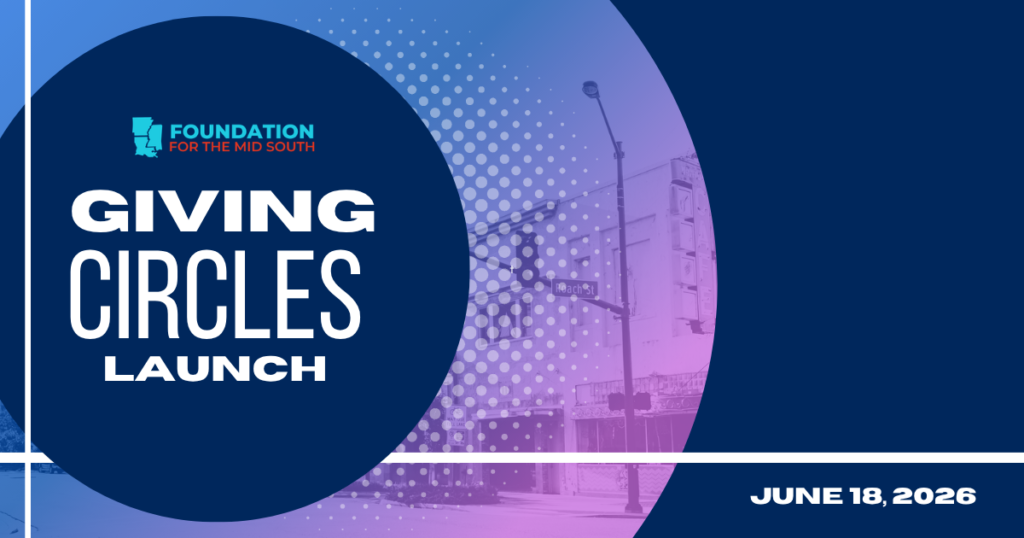
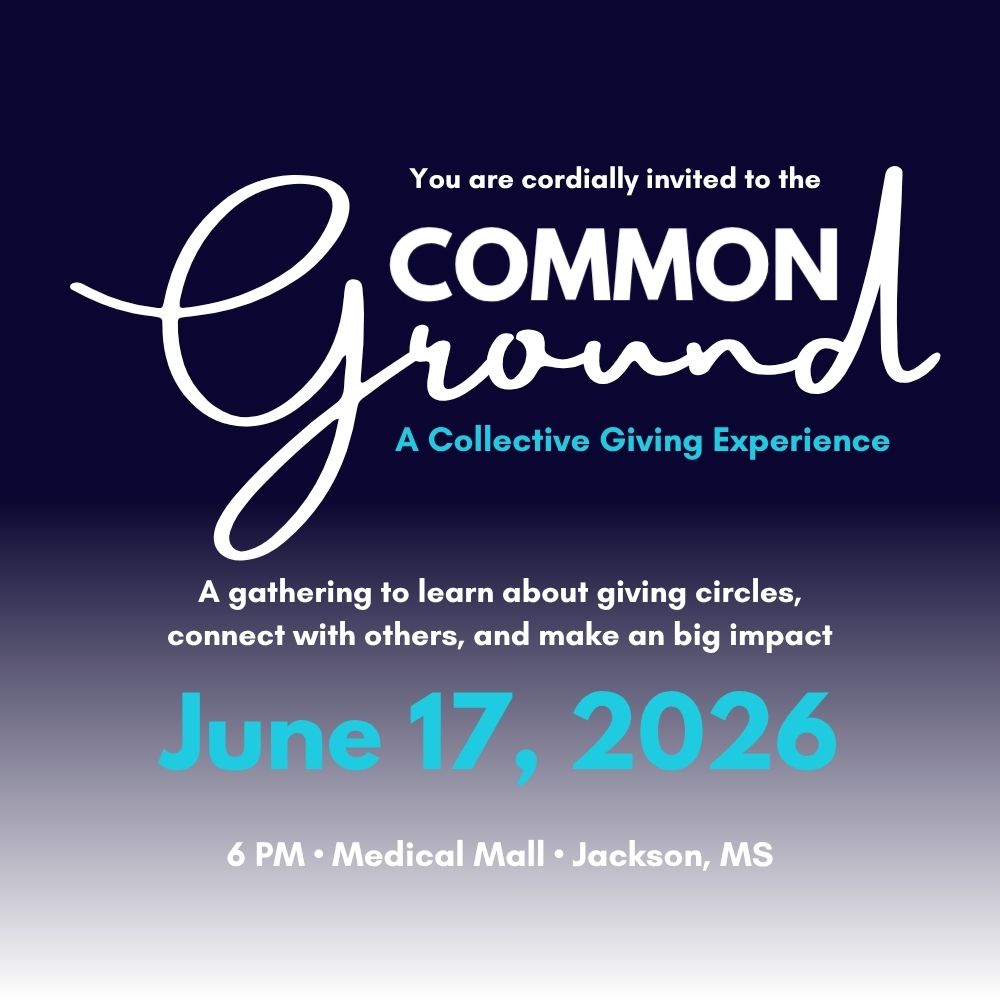
That belief is driving the Foundation for the Mid South’s Giving Circles initiative, which launches June 17. The effort invites people across Arkansas, Louisiana, and Mississippi to come together, pool resources, and support causes they care about.
For Batteast, the goal is simple.
“This is an opportunity for people to understand how philanthropy works in their own communities,” he said.
What Is a Giving Circle?
A Giving Circle is a group of people who contribute resources and collectively decide how those resources will be used to support their community.
The model may sound new, but the idea is familiar.
Batteast often compares it to the way churches use tithes and offerings.
“Collectively, members support the institution, and then they decide how to utilize those resources to support ministries in the community,” he said.
Giving Circles build on that same spirit of shared investment and shared decision-making.
More Than a Financial Contribution
One theme surfaced repeatedly during Batteast’s conversation about Giving Circles: people have more to contribute than they often realize.
“We’re giving our time, our talent, our treasures, and our testimony,” he said.
Not everyone can make a large donation, but everyone has something to offer. Some people bring expertise. Others bring relationships, volunteer hours, leadership, or advocacy.
“All of us have skills that we can give to organizations or communities,” Batteast said.
The model encourages people to start with what they have rather than focusing on what they lack.
A Growing Movement
The impact of collective giving can already be seen across the South.
In New Orleans, Ciara Coleman founded Geaux Girl Giving after learning how little philanthropic funding was reaching women and girls of color. What began with nine women contributing $400 each has grown into a Giving Circle that has invested thousands of dollars in Black women-led organizations.
“We’re not just talking about pocket change anymore,” Coleman said. “We’re pooling our resources to make a real impact in our community.”
For Coleman, the experience has also changed how participants see themselves.
“We’re showing that Black women can be benefactors, not just beneficiaries,” she said.
Why It Matters Now
For more than 30 years, the Foundation for the Mid South has worked alongside communities across Arkansas, Louisiana, and Mississippi. Through that work, Batteast has seen firsthand how much can happen when people come together around a common purpose.
“I think we’re in a position to do this because we’ve been connected to community,” he said. “We’ve seen the need, but we’ve also seen how individuals have changed communities and institutions by just coming together.”
That belief sits at the heart of Giving Circles.
“You may not think you can do it by your small support,” Batteast said. “But as a whole, we can do more.”
As the Foundation prepares for its June 17 launch, the message is clear: meaningful change doesn’t always begin with a major gift.
Sometimes it begins when people pull up a chair, chip in what they can, and decide to build something together.
Interested in Giving Circles after reading this article, learn more about how you can start your own circle or join a group.