
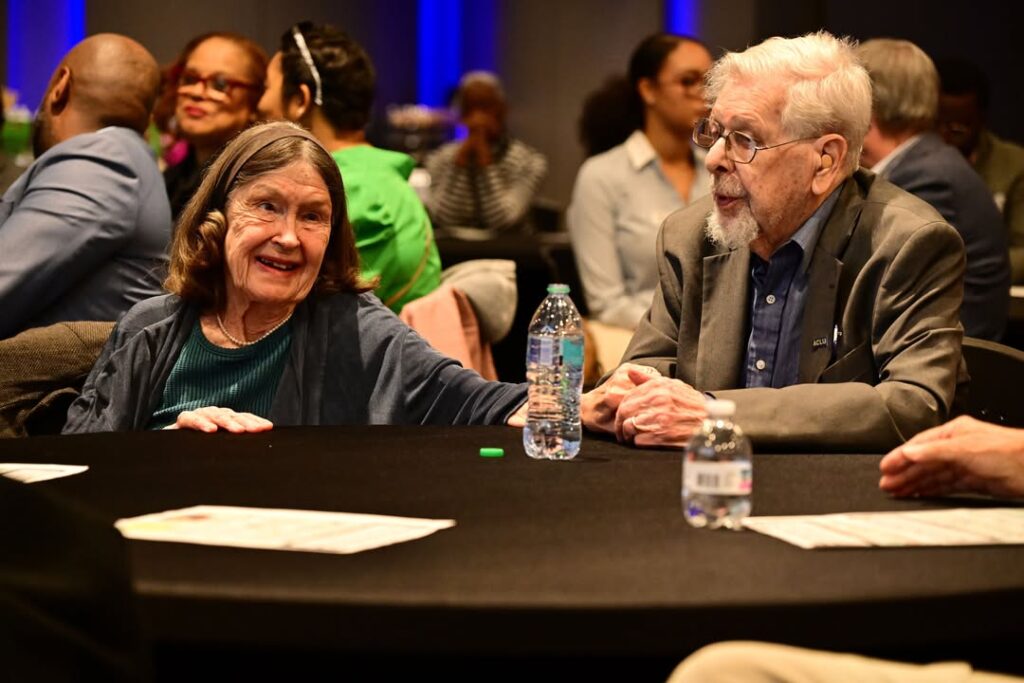
By midmorning, round tables filled the auditorium inside the Two Mississippi Museums. Conversations moved easily at first, then gradually quieted as attention settled toward the front of the room, where a small stage had been arranged for panelists and facilitators.
The setting encouraged proximity. People sat facing one another, close enough to talk, close enough to listen.
Mississippi’s National Day of Racial Healing unfolded at an easy pace. Those gathered included educators, nonprofit leaders, faith leaders, advocates, and community members who arrived with a shared understanding of why the day mattered. There was a familiar purpose, but the work required presence.
Why this day matters in Mississippi
In Mississippi, history continues to shape present-day realities. It shows up in education systems, health outcomes, economic opportunity, and civic trust. The National Day of Racial Healing creates space to examine those connections and to consider what accountability looks like now.
Rather than centering formal speeches, the day focused on facilitated dialogue. Participants moved through small-group conversations grounded in truth-telling, narrative change, and relationship-building. The discussions invited reflection on personal experience as well as institutional responsibility, asking participants to listen carefully across difference.
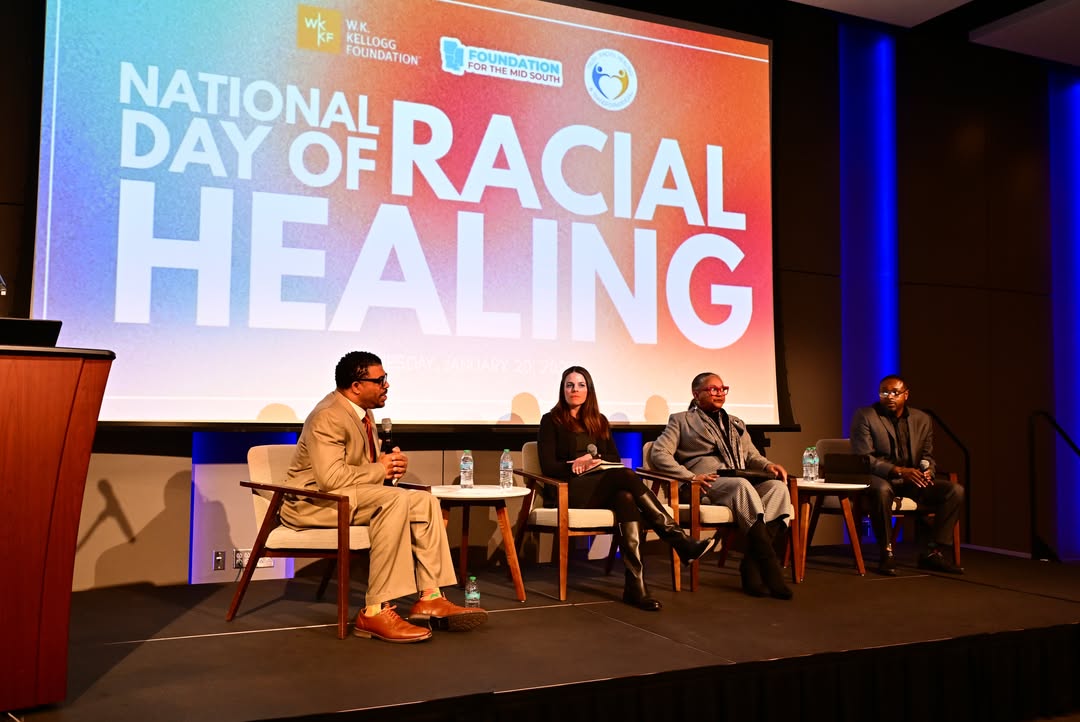
Truth, Racial Healing, and Transformation, often referred to as TRHT, surfaced through these exchanges. It was not introduced as a concept to master, but as a shared practice rooted in lived experience.
“The National Day of Racial Healing gives us space to slow down and be honest with one another,” said Cassio Batteast, Vice President of Programs at the Foundation for the Mid South. “If we want different outcomes for Mississippi, we have to be willing to do the deeper work together.”
Honoring a legacy of commitment
The emotional center of the day came during a luncheon honoring Rim Barber and Judy Barber, whose decades of leadership have helped shape racial equity efforts across the state.
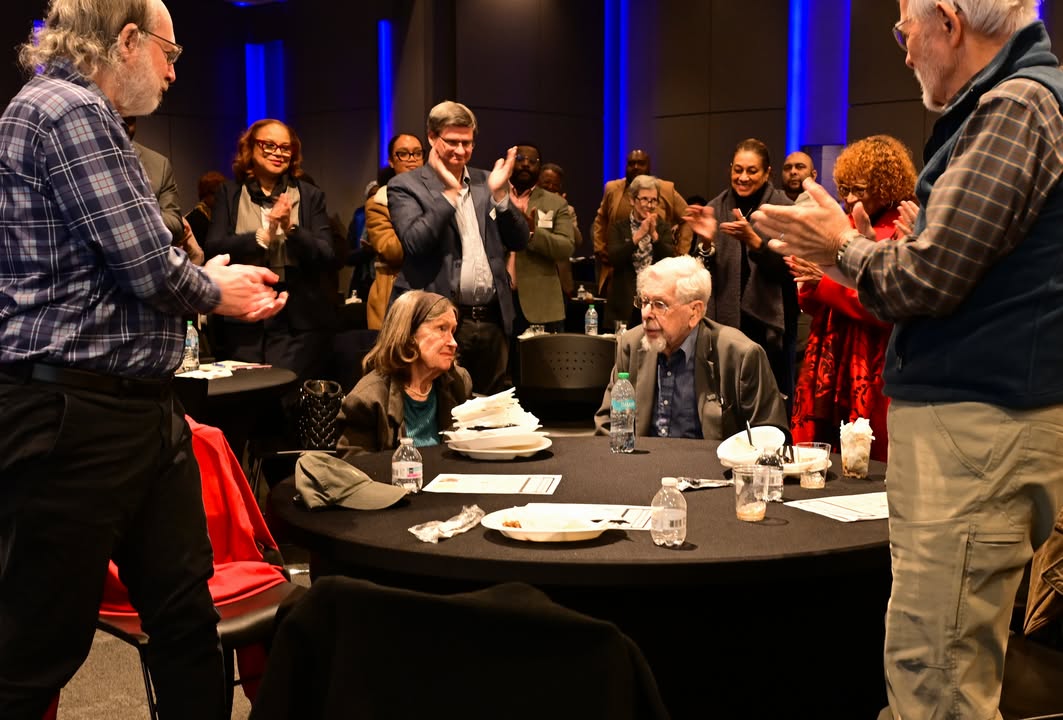
The recognition resonated because of its continuity. In a state where progress has often required patience and persistence, the Barbers’ work reflects a long view. Their influence has extended across institutions and generations, grounded in a steady commitment to equity and dialogue.
As the room reached capacity, the focus became collective. The moment carried weight not because it marked a conclusion, but because it connected past efforts to present responsibility.
The work inside the conversations
Following the luncheon, participants returned to facilitated sessions that moved the dialogue deeper. Discussions focused on power, accountability, and the ways institutions shape opportunity, often in quiet and familiar ways.
Participants were encouraged to listen closely, to notice where discomfort surfaced, and to examine how their own organizations contribute to or challenge existing patterns. Some conversations unfolded easily. Others required time and care.
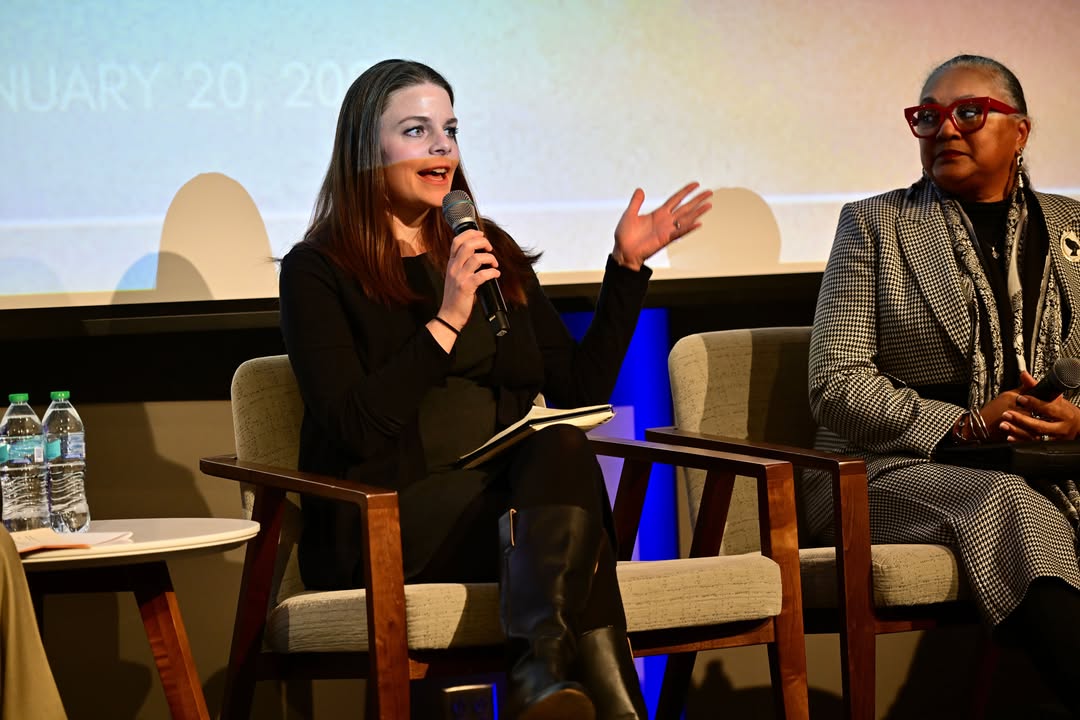
The museum setting added gravity to these exchanges. Surrounded by exhibits documenting Mississippi’s civil rights history, participants were reminded that healing work grows out of context. The past remains present, and the future depends on how it is addressed.
Carrying the work forward
As the afternoon progressed, the room gradually thinned. Some participants departed after the luncheon, while others chose to remain for conversations about next steps and long-term engagement.
Those who stayed gathered for the introduction of the TRHT Transformational Leadership and Racial Healing Cohort, an initiative designed to support leaders committed to sustained racial healing work across Mississippi.
The moment was intentionally measured, reflecting the seriousness of the work ahead.
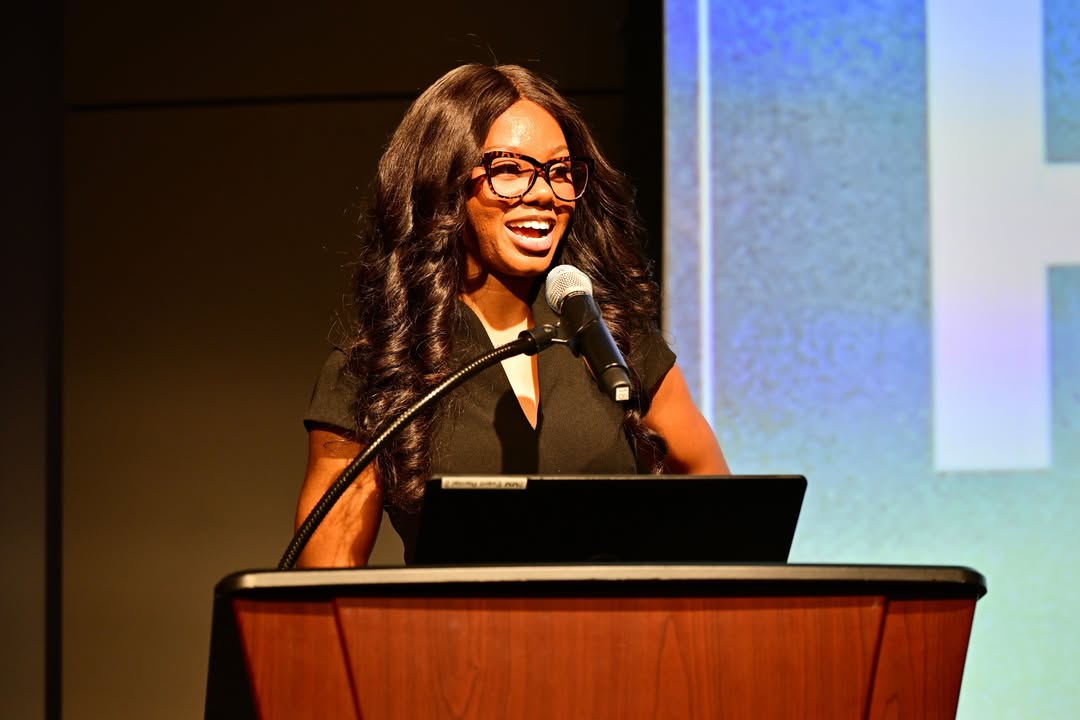
“People often ask what comes after a day like this,” said Derykah Watts, Program Associate at the Foundation for the Mid South. “The cohort gives people a place to keep doing the work. It helps turn reflection into practice.”
The cohort is rooted directly in the TRHT Implementation Guide and was developed with the support of a TRHT evaluator. Its modules draw from a single, cohesive framework, emphasizing depth, shared language, and application within participants’ own institutions and communities.
The inaugural cohort, which runs from February through June, has already reached capacity. Planning is now underway for a second cohort beginning in August. Individuals and organizations interested in participating can learn more and sign up for the August cohort at [insert link].
Supported by the Mississippi TRHT Alliance, with support from the W.K. Kellogg Foundation, the cohort reflects a broader shift toward capacity-building and long-term engagement.
By late afternoon, the energy inside the museum had shifted. Conversations continued in smaller circles as people prepared to return to their communities and organizations.
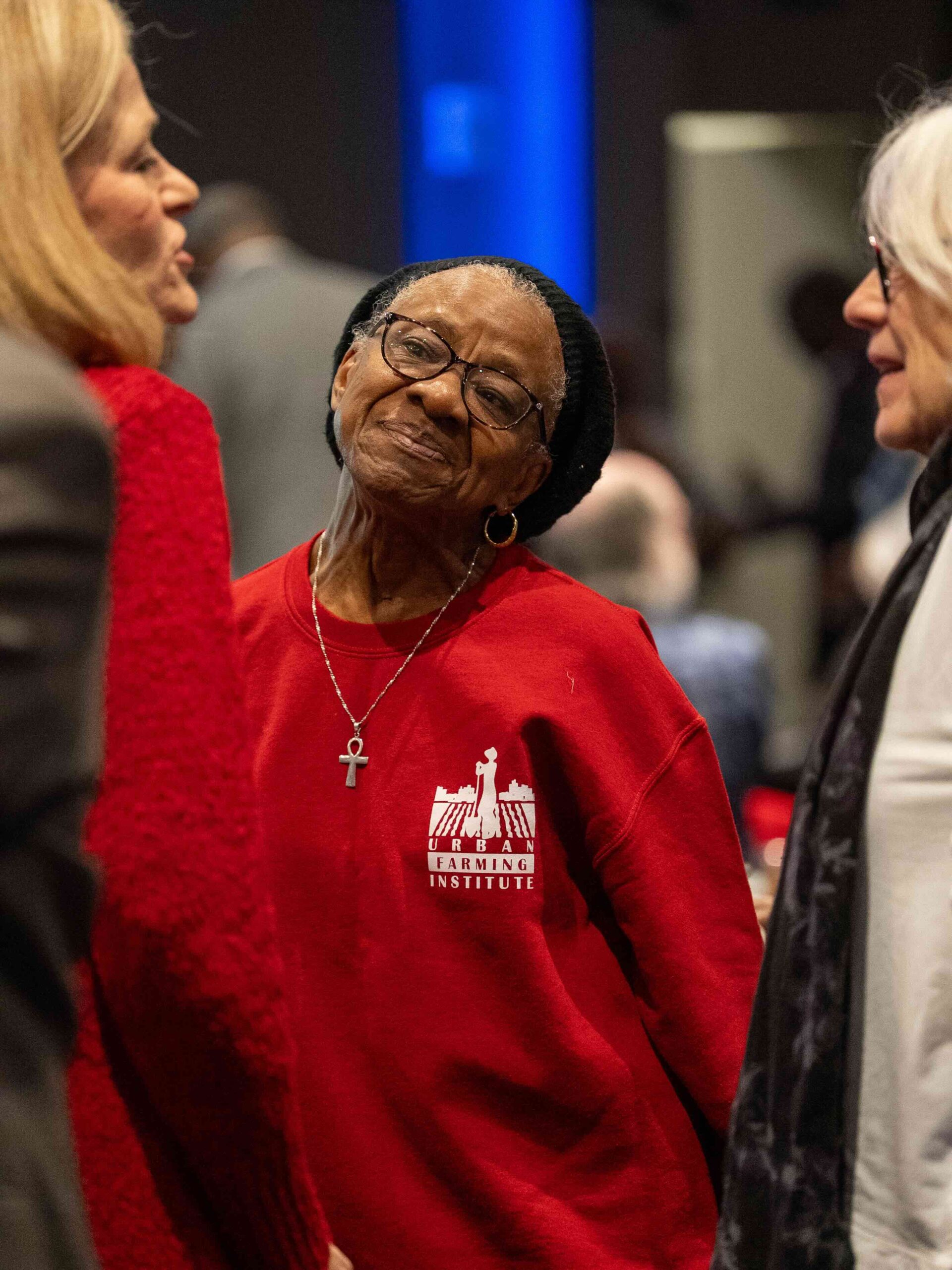
The work, however, did not feel finished.
Racial healing requires attention beyond convenings and commemorative days. It shows up in decisions made later, in classrooms, boardrooms, congregations, and community spaces across the state. It asks leaders to carry difficult conversations forward and to remain engaged when the work becomes less visible.
The National Day of Racial Healing offered Mississippi both reflection and direction. It created space to confront the past honestly while pointing toward structures designed to support sustained commitment.
What matters next is not simply who attended, but who continues.
About the National Day of Racial Healing
The National Day of Racial Healing is observed annually to encourage communities across the country to confront the truth of racial injustice, build trust, and strengthen relationships. Created by the W.K. Kellogg Foundation, the day emphasizes honest dialogue as a foundation for lasting change. In Mississippi, it serves as a moment to reflect and an invitation to move forward with intention and responsibility.