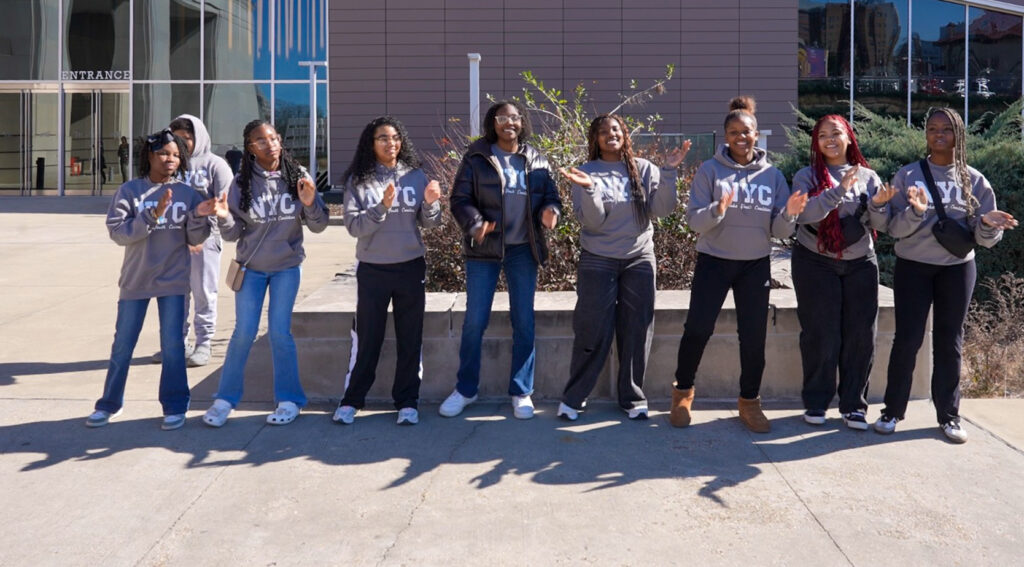
On Martin Luther King Jr. Day, as many Mississippians enjoyed a long weekend, young people across the state chose a different rhythm for the day. They spent the morning cleaning public spaces and working together across Jackson, then gathered inside the Two Mississippi Museums to listen to someone who lived the civil rights struggle most of them had only encountered in books.
“I wasn’t really sure what we were doing when we came down here,” said Kenadi Stallings, 17. “But I love it, and I’m glad that I came.”
Kenadi, a member of the Neshoba County Youth Coalition, was among dozens of students participating in the Foundation for the Mid South’s MLK Day of Service, an experience designed to honor Dr. King’s legacy through service, reflection, and truth-telling.
A space built for youth voice
The Neshoba County Youth Coalition is a youth-led group that brings together middle and high school students to talk openly about their lives, their communities, and the issues shaping their futures. Through regular meetings, service projects, and facilitated conversations, the coalition creates space for young people to discuss academics, identity, leadership, and real-life challenges in an environment built on trust and honesty.
For many students, it is one of the few places where they feel encouraged to speak freely and listen deeply to one another.
“I’ve met people that I would have never thought I would have ever met,” Kenadi said. “I’ve had opportunities and chances that I would have never seen myself doing.”
Service as the starting point
The day began across Jackson, where students and volunteers took part in cleanup and beautification projects in public spaces. Working side by side, young people from different schools and communities shared the kind of hands-on service Dr. King called essential to building a just society.
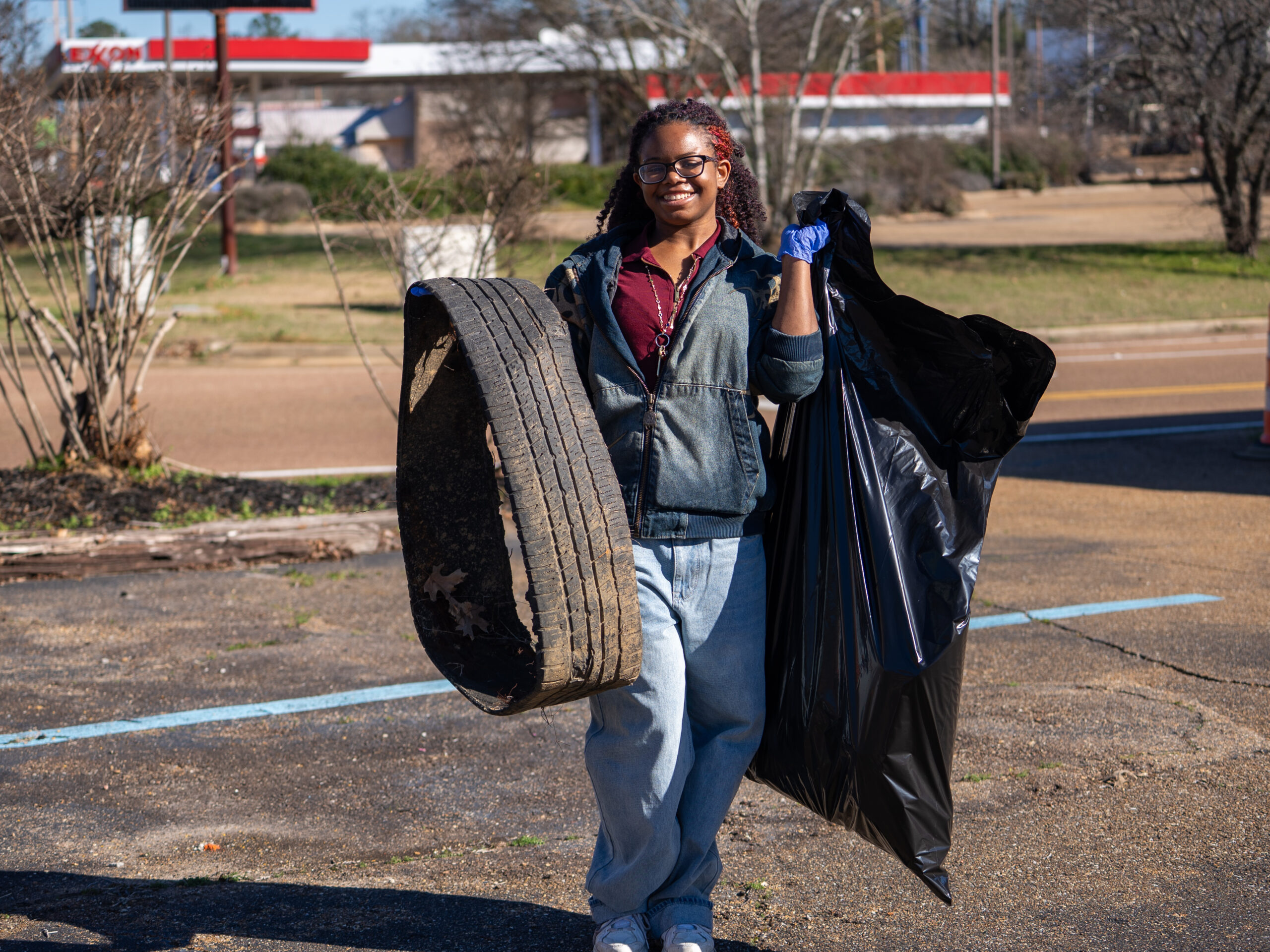
“I kind of think it’s important because you never know what somebody might need,” said Timonae Hudson, 11. “You could just help them.”
Timonae, who is also involved with the Boys & Girls Club, said her favorite part of being in the Youth Coalition is “hanging out with other people from different communities and talking about God helping us get through the difficulties.”
After completing service projects, students traveled together to the Two Mississippi Museums, where the focus of the day shifted from action to reflection.
Listening to living history
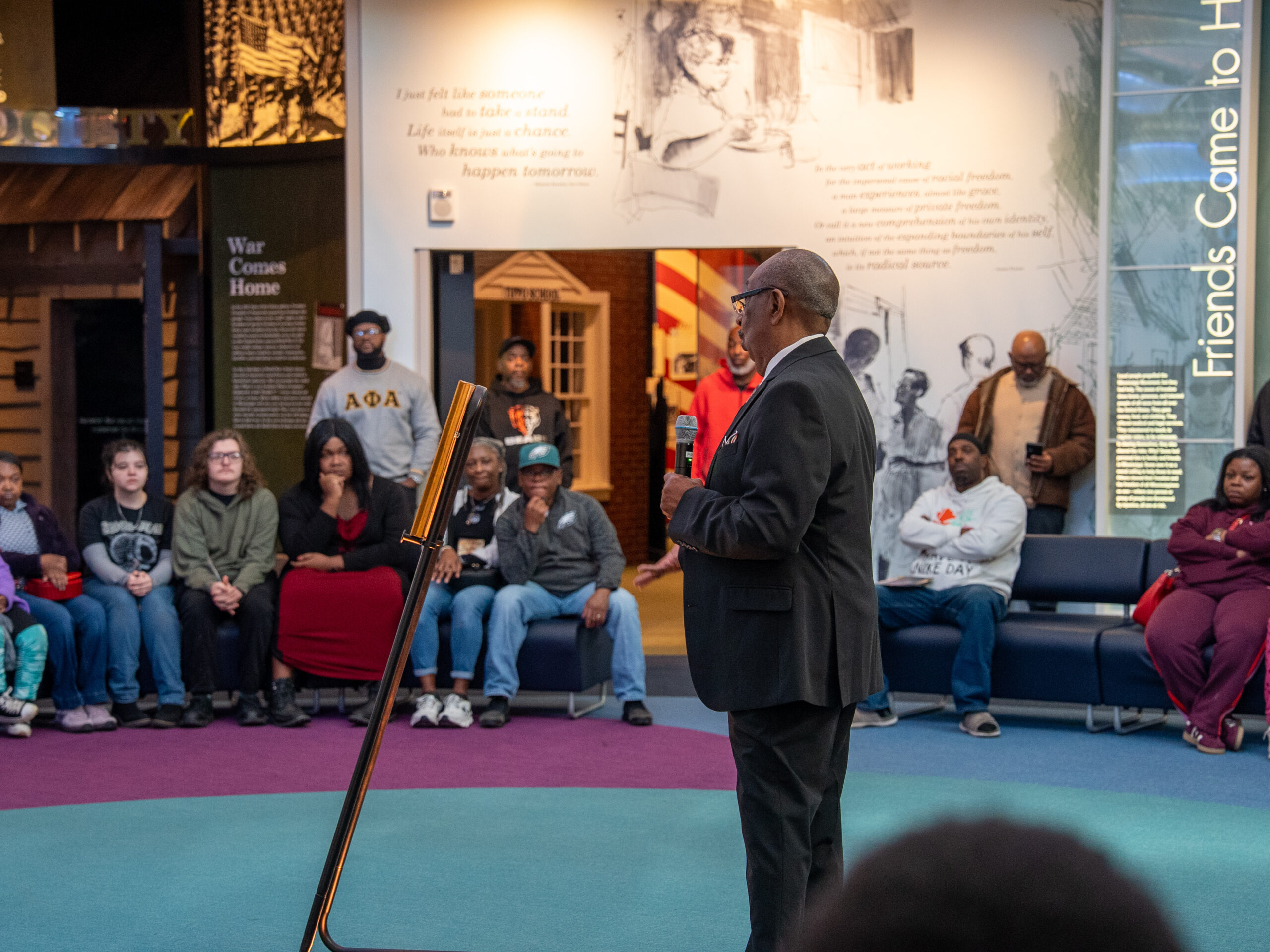
Inside the Mississippi Civil Rights Museum, youth gathered to hear from Hezekiah Watkins, a civil rights veteran who was arrested 109 times during his lifetime of activism. Now a museum educator, Watkins spoke candidly about nonviolent resistance, voting rights, and the discipline required to fight injustice without returning harm.
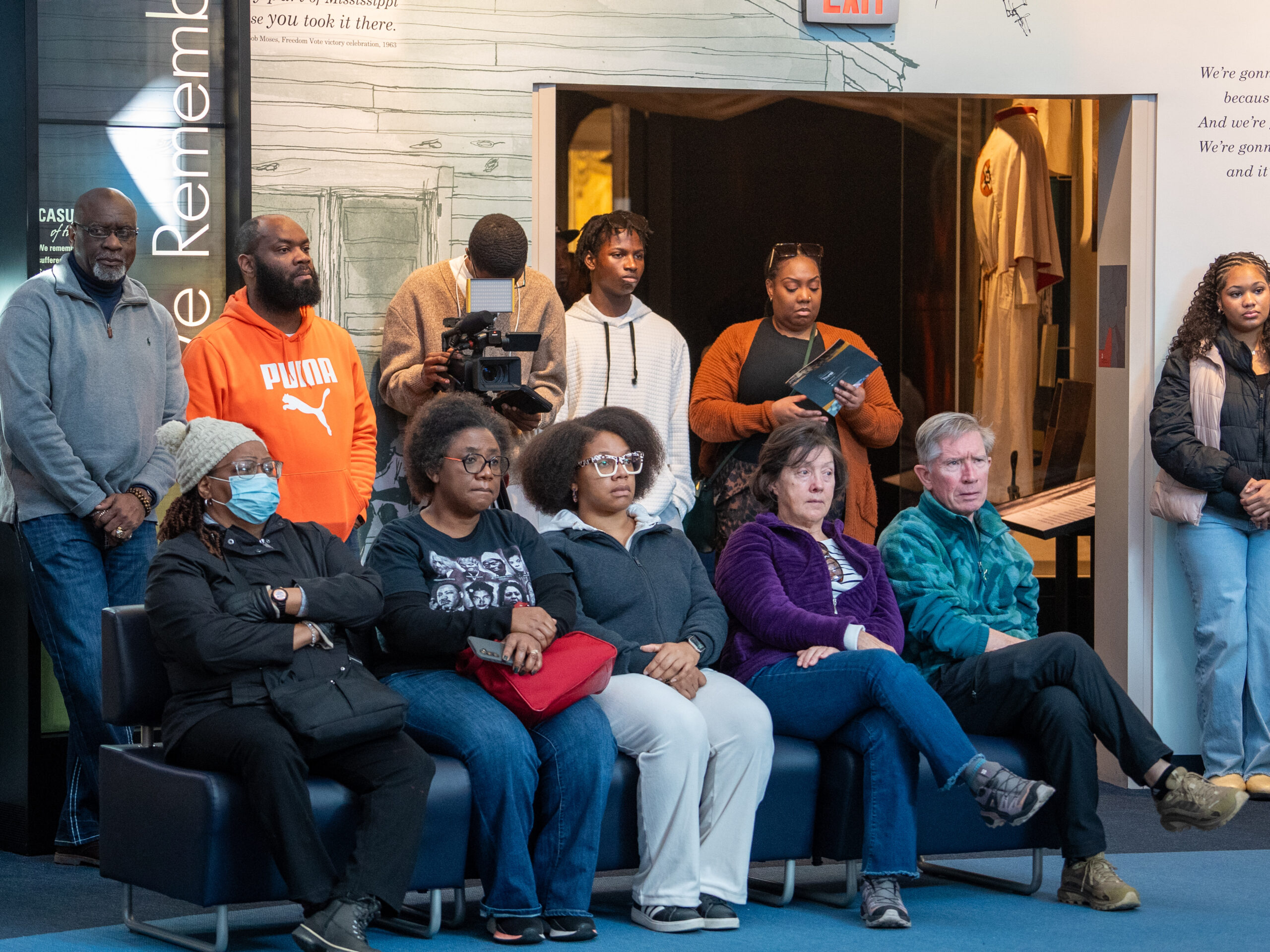
For Kenadi, who attends a predominantly white school, the conversation filled gaps she had long felt but could not name.
“In my school, we don’t really talk about a lot of what happened,” she said. “They try and shelter us and not talk about it. So I was really glad to hear it, and I thought it was different. I learned some things that I’ve never heard before.”
Standing among exhibits that document segregation, voter suppression, and grassroots organizing, students were asked to confront how recent that history truly is.
“Knowing what he went through when he was my age,” Kenadi said, “and knowing that I don’t have to go through that anymore, it just makes the day meaningful.”
A room full of voices
Following the museum tour and Watkins’ talk, students gathered for facilitated discussions focused on racial healing, identity, and lived experience. Youth from the Neshoba County Youth Coalition were joined by students from Piney Woods School, creating a space that reflected a wide range of backgrounds and perspectives.
Families were present as well. Mothers and younger children filled the room, listening closely and engaging with curiosity and excitement. The atmosphere was attentive and open.
“They asked us actual questions,” Kenadi said. “They were very real and very truthful.”
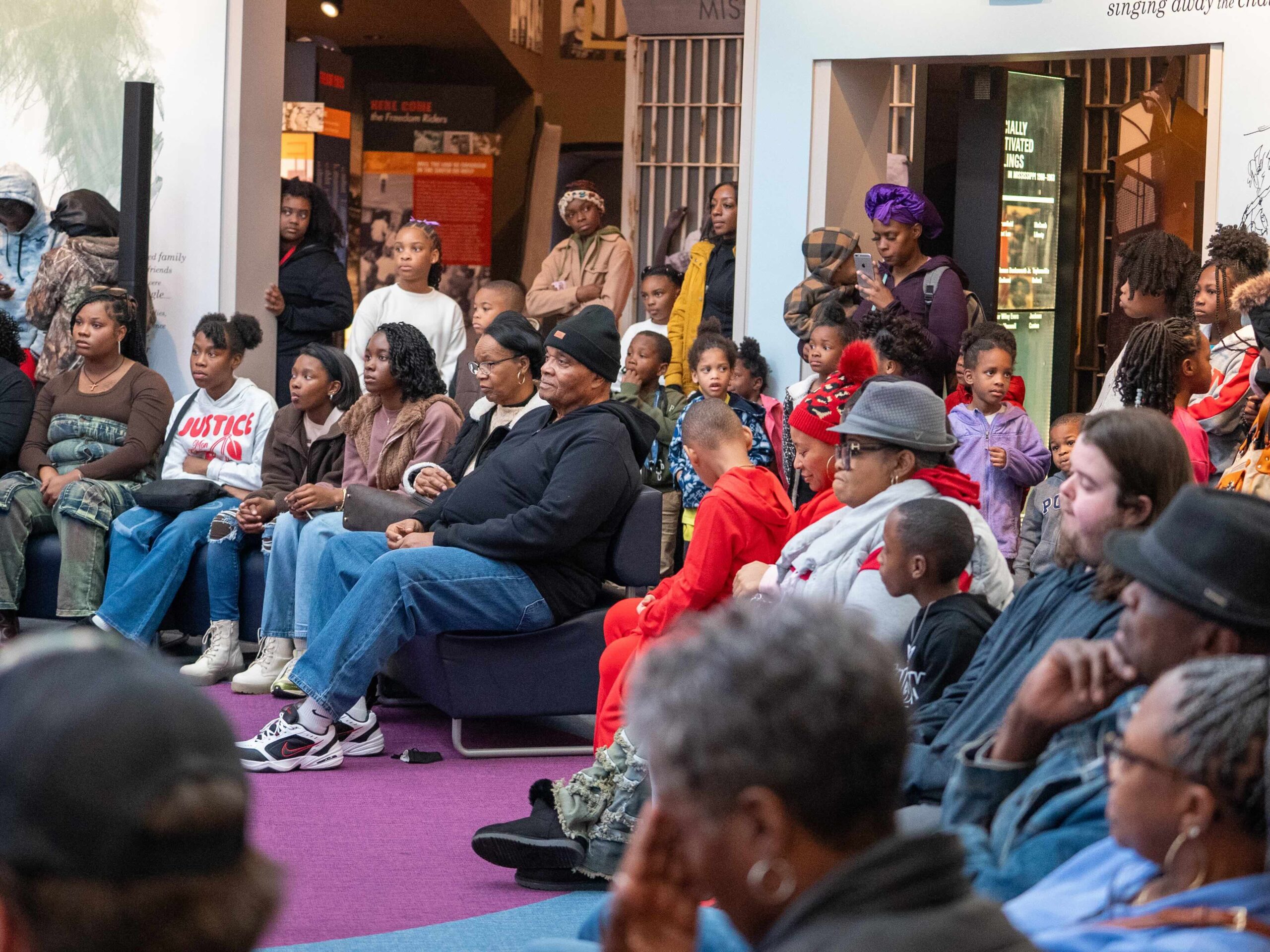
For many students, that honesty was rare.
“A lot of kids that go to my school, they’re not able to speak up and talk about things that go on in their life,” she said. “But in the group, it was a safe space. I felt like I could actually say what I wanted to say and not be judged.”
The conversations were not about rehearsed answers or perfect language. They were about being heard.
“It’s okay to be myself,” Kenadi said. “Sometimes I’ll have good days and bad days, but I’m who I am, and that’s okay.”
Understanding opportunity and inequality
For Kendra Lyn Houston, 17, the day prompted reflection on opportunity and inequity in Mississippi today.
“There are a lot of underfunded schools in Mississippi, especially majority-Black schools,” she said. “I don’t go to one of those schools, but I often think about them.”
Kendra attends a diverse school with strong academic resources. Hearing Watkins’ firsthand account and walking through the museum sharpened her awareness of how uneven access still shapes young people’s lives.
“We have more opportunities now than people did in the past,” she said. “And that’s a good thing.”
Learning about Dr. King’s life resonated personally.
“I say I’m pretty ambitious,” Kendra said. “I’m pretty passionate about what I believe.”
Why youth presence matters
Organizers were intentional about centering young people throughout the day.
“Young people played a major role during the civil rights movement,” said Cassio Batteast, Vice President of Programs at the Foundation for the Mid South. “MLK Day gives them a chance to serve their communities and see how they can be part of changing conditions for Mississippi.”
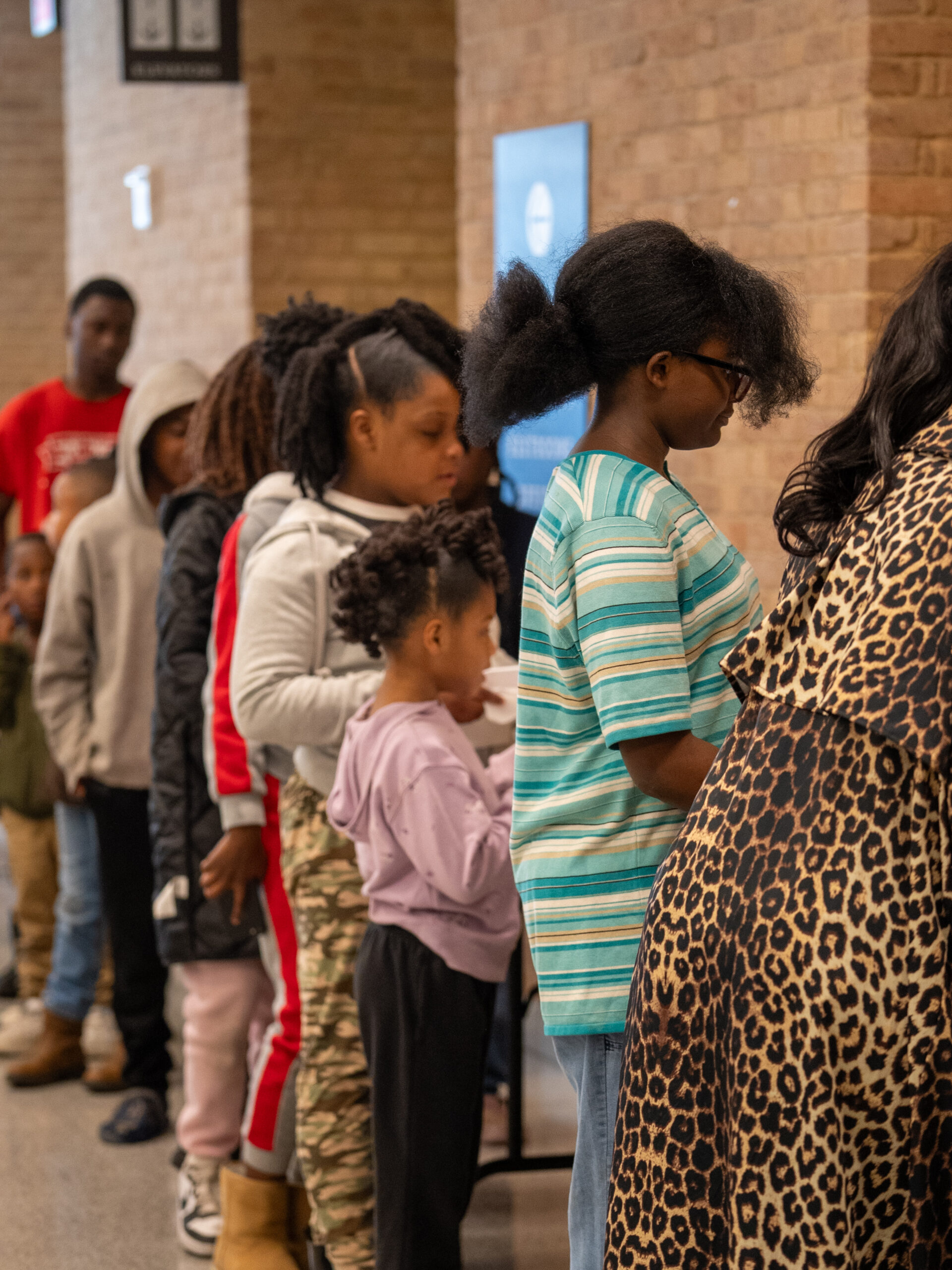
For Derykah Watts, Program Associate at the Foundation, connecting students with living history was just as important as the service projects themselves.
“This history isn’t ancient,” Watts said. “When young people hear it directly and get to ask questions, you can almost see the lightbulbs turn on. They’re curious. They’re engaged. They want to be here.”
A day that carries forward
As the MLK Day of Service ended, students filtered out of the museum carrying more than facts or timelines. They carried perspective.
For some, it was the first time hearing civil rights history directly from someone who lived it. For others, it was the first time sitting in a space where their voice mattered as much as their presence.
Asked what she would want other kids her age to know, Timonae did not hesitate.
“Just be yourself,” she said. “You don’t have to be somebody else. If you just be yourself, you can do anything you want to do.”
At the Two Mississippi Museums, young people began the day serving their city. They ended it standing inside Mississippi’s story, reminded that they are not too young to carry the work forward.